


)
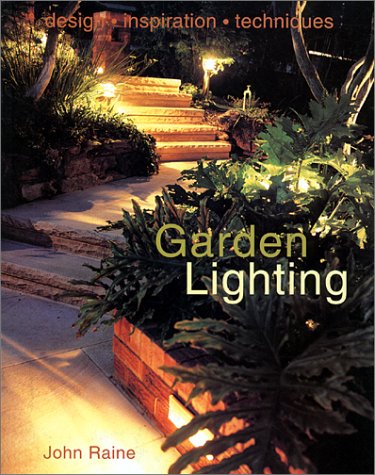
“Paperback: 128 pages Publisher: Laurel Glen Publishing (December 1, 2001) Language: English ISBN: 1571456929 Product Dimensions: 10.7 x 8.4 x 0.5 inches This resource shows the reader how to achieve the effects to highlight and optimize outdoor spaces. Considerations from aesthetics to functionality are presented for all areas outdoors — the garden, a dining area, a conservatory, or terrace — with seasonal variations and suggestions for achieving a wide range of lighting effects. Garden enthusiasts will learn how to highlight outdoor masterpieces and how to use accent lighting, silhouettes, shadows, and spread lighting to maximize their beauty and optimize functionality. The experts will be inspired to try new ways of showing off their pond lighting and rose arches.”


Related posts:
 Solar Powered Rainbow String Lights. 8′ Long Lining Up for Landscape Lighting.
Allsop Home and Garden 10-Inch by 12-Inch Square Silk Effects Solar Lantern, Bronze, 1-Count
Garden Lighting: Contemporary Exterior Lighting
Solar Garden Path Lighting – Solar Ray – Solar Path Light – Set of Three (3) Lights
The EZ Guide to Landscape Lighting: How to Make Your Yard Shine at Night
Hanging Solar Garden Light – Cornet Shaped Solar Lights, Solar Tree Lighting – Set of Three (3) Lights
Solar Powered Rainbow String Lights. 8′ Long Lining Up for Landscape Lighting.
Allsop Home and Garden 10-Inch by 12-Inch Square Silk Effects Solar Lantern, Bronze, 1-Count
Garden Lighting: Contemporary Exterior Lighting
Solar Garden Path Lighting – Solar Ray – Solar Path Light – Set of Three (3) Lights
The EZ Guide to Landscape Lighting: How to Make Your Yard Shine at Night
Hanging Solar Garden Light – Cornet Shaped Solar Lights, Solar Tree Lighting – Set of Three (3) Lights
expert opinion At last, an up-to-date replacement for Ortho’s 1984 “How to Design & Install Outdoor Lighting”. This is a thorough overview of lighting techniques, system design and the variety of lamps and lampholders used in both line voltage and low voltage outdoor lighting. Despite the usual disclaimers (the Brits must be as litigious as Americans) about having only a qualified electrician install garden lighting there is useful information for the DIYer.
Great How To! A year or so ago, we did some major garden renovation, painted the exterior of our house and the perennial garden had its fifth birthday and celebrated by exploding into blossom. Summer evenings on the patio became a habit and I began casting around for lighting ideas. Professionals wanted to add enough light to do brain surgery at enormous expense, and solar lights weren’t bright enough, no matter how many we installed. Kits didn’t contain the right combination of components (no landing strip pagoda lights, please) and there was the color issue–we both really dislike the bluish tint of a lot of big box store lighting, and some of our friends had horror stories about the expense and durability of some brand name kits. So what to do?I did some research and two books were repeatedly recommended; this one and another that sells for just under a hundred dollars. Being cheap (which is why I’m doing this myself) I purchased this one, and I can’t imagine that the other one containes any more useful information than this one. While most of the pictures are of very elaborate landscaping, some taking lighting to an unnatural extreme, the real juice of this book is in easy to understand explanations of electricity, wiring runs and types of fixtures. Referring to this book, and using the pictures only as illustrations of what different fixtures can do, I was able to lay out a low-voltage lighting plan for the patio and yard in about three days. All the components are readily available, either through home improvement stores or the internet, and if you know what you’re looking for, at a much higher quality and only slightly higher price than some of the brand names kits. I’m looking forward to enjoying some rather (ahem) innovative lighting effects next summer!This is that rare bird; a genuinely helpful do it yourself book (though it recommends having a licensed electrician do the work, my plan is low voltage, and since I can’t electrocute myself, why pay big $$$?). It won’t do the work for you, but is a terrific investment if you have the time, inclination and patience.
Comments are disabled for this post.